social
Improving childhood education in Tanzania
Published on
At sunrise in Moshi, with the stunning Mount Kilimanjaro in the distance, a twelve-year-old boy sets off to school. The journey takes him more than two hours on foot, but he makes it every day because he dreams of becoming a teacher.
Just a few kilometres away, his neighbour watches other children depart for school. Her parents simply cannot afford the fees and uniform, so instead she stays helping home.
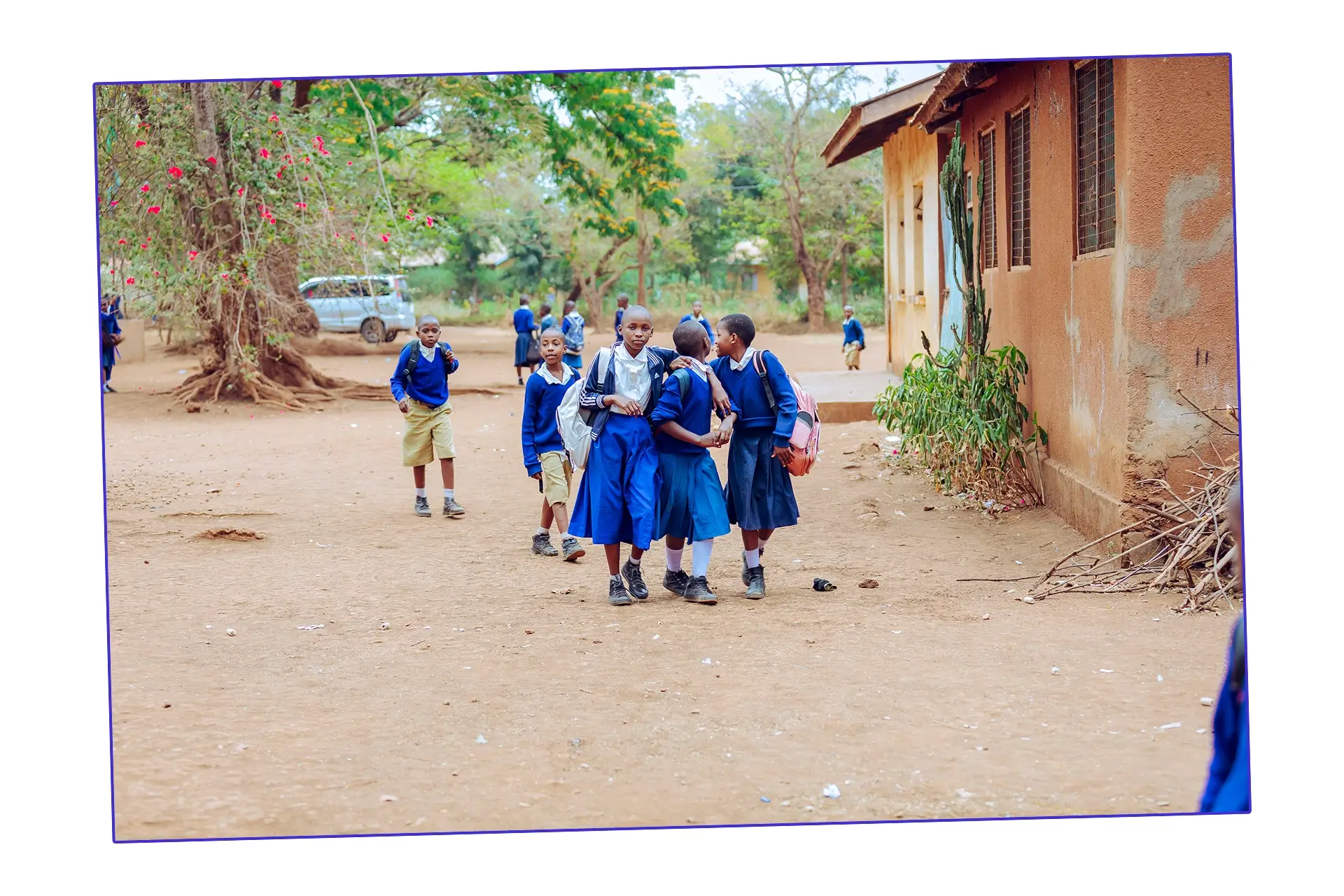
Stories like these are common in northern Tanzania, where poverty keeps countless children out of the classroom. According to UNICEF, some 3.2 million children aged 7-17 are out of school in Tanzania; of these, 1.2 million have never attended even a single day.
Despite the country’s reputation as one of Africa’s great adventure destinations, many families struggle to bring their kids to school. Rural and poor families are disproportionately affected, with children often dropping out from age 12 onwards due to poverty, lack of sanitation or early marriage.
Education becomes a luxury rather than a right and children often have to choose between learning and survival.
Changing the odds for 40 children
At Softquo, we believe no child should have to give up their education.
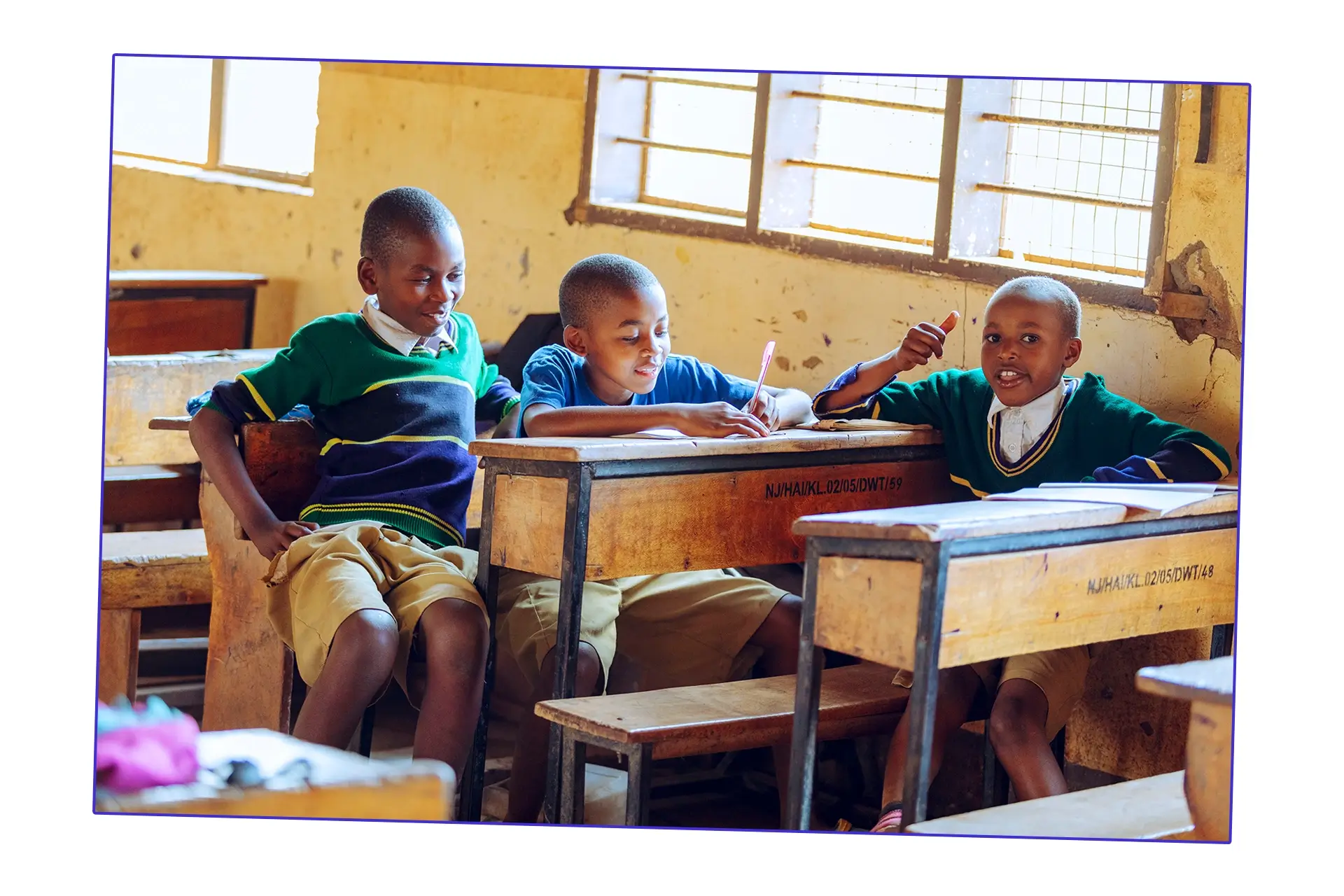
Our programme currently supports forty children in four schools in the Kilimanjaro region: fourteen children at Njoro Primary, fourteen at Msandaka Primary, six at Mailisita Secondary and another six at Msandaka Secondary.
This contribution goes beyond paying school fees. We provide uniforms so that children can be admitted in schools, notebooks and pens so that they can follow lessons and do their homework and daily meals so that hunger does not stand in the way of learning.
For those forty kids education is more than going to a classroom. It is about safety, opportunity and hope. It is the possibility of one day finishing secondary school - and even dreaming of university in a country where completion rates remain extremely low.
Thanks to Softquo’s support, the children will have a better life, both academically and personally.
Ridia Mdola, Head teacher of Njoro Primary School
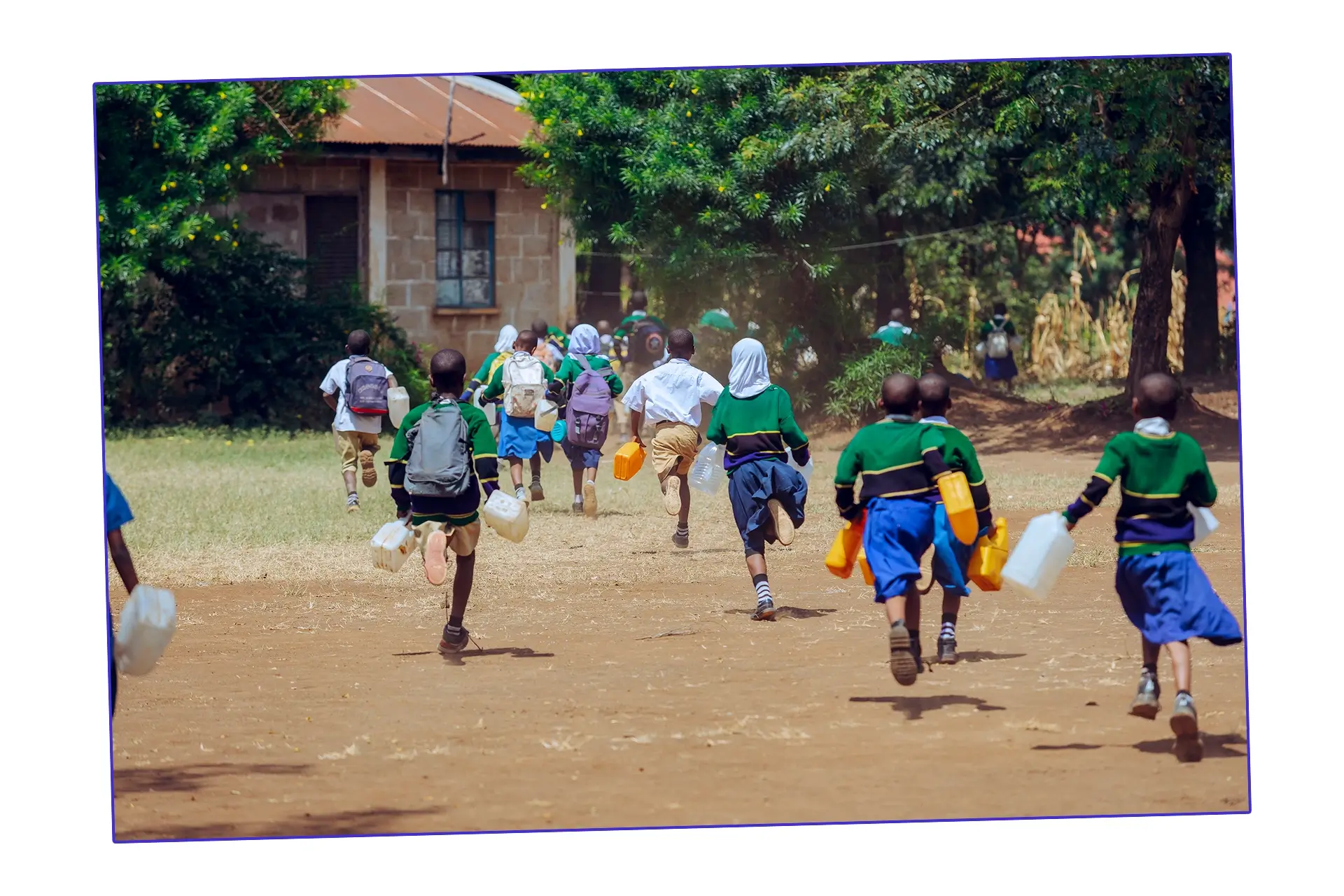
Teachers like Ridia have observed more regular attendance. Children come to class less hungry, more confident. Academic performance improves. Parents no longer face the heartache of pulling a child out. Meet the students and teachers whose lives are changing thanks to this project here.
Our vision is to keep building on this foundation, extending support to families and entire communities, because when a child learns, a community grows.